
Oregon residents should be aware of a recent development in big tech that can use more power and water than an entire neighborhood: AI data centers.
AI data centers, buildings holding large amounts of data which are designed to hold the infrastructure to power and process artificial intelligence across the globe, are a new development in modern technology. With new infrastructure comes new demands, and AI data centers require massive amounts of electricity for power and water for cooling. These characteristics directly affect residents living in states where data centers are running, which extends to Oregonians.
“To give you an idea of how much electricity these data centers use, today, a hyperscale data center operated by a big tech company uses as much electricity as 100,000 homes,” Thomas Spencer, a spokesman in a video from the International Energy Agency said.
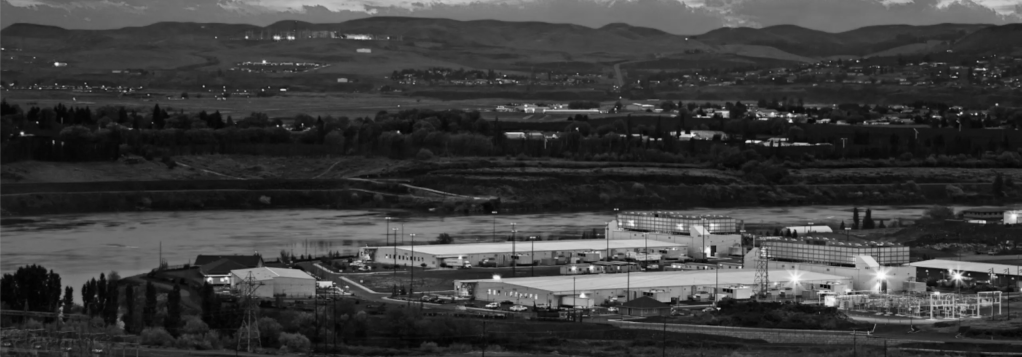
Visual Capitalist reported that data centers used 11.4 percent of Oregon’s electricity in 2023, which was tied for the third highest electricity consumption by data centers out of the 44 states reported.
In terms of water usage, in 2021 Google used 355.1 million gallons of water for their Oregon data centers at The Dalles.
On a national scale, AI data centers have changed the game when it comes to resource consumption in the last 10 years. A report from the U.S. Department of Energy recorded that in 2014, before the influx of modern AI, U.S. data centers used 21.2 billion liters of water, which is equivalent to 5.6 billion gallons. This is in stark contrast to modern day water consumption, with the popularization of hyperscale data centers, jumping to 66 billion liters of water, or 17.4 billion gallons.
AI data centers differ from traditional data centers in their overall consumption of energy and resources, as well as the scale at which they perform tasks. The vast majority of AI data centers are hyperscale data centers, a form that takes up more space and uses much more power because of the demands required for AI infrastructure.
With regard to the infrastructure used for AI, in & the West, a magazine presented by Stanford University’s Bill Lane Center for the American West, it was reported that new computer chips like Nvidia’s Blackwell chip, which is designed for AI, require much more electricity and thus need more cooling. According to IBM, “Hyperscale data centers are huge, including at least 5,000 servers and occupying at least 10,000 square feet of physical space.” These data centers are getting set up in many different places across the nation, including major cities like Phoenix, Ariz., as well as rural areas such as Morrow County in Oregon. As it turns out, those who live in economically disadvantaged rural areas are more open to AI data center projects than those living in bigger cities.
Morrow County is about 160 miles east of Portland on the Columbia River. & the West found that “Two years ago it awarded Amazon nearly $1 billion in [tax] breaks over 15 years to build five new data centers.”
The tax breaks are particularly enticing to companies that want to set up AI data centers because they are a very large investment. As reported by IBM in February, Microsoft is planning to invest $80 billion into data center construction this year.
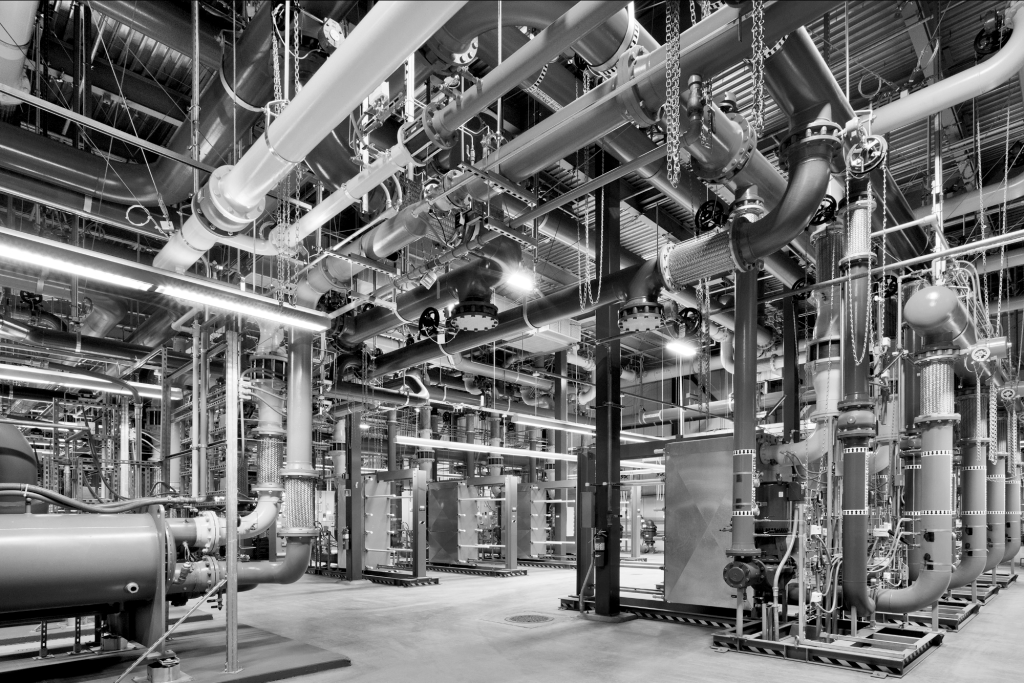
AI data centers come with benefits, like more jobs and increased tax revenue, both very attractive to economically challenged places like Morrow County. Johnson Economics reported that the tax revenue to the county could reach nearly $100 million over the next 20 years.
“You’ve got to have economic activity, or your town will die,” David Sykes, a commissioner in Morrow County and a supporter of building the data centers, said in an interview with & the West.
Data centers are also set up in Hermiston, Ore., a city around 37 miles north of Morrow County. Assistant City Manager Mark Morgan wants the economic development brought along with the big tech companies and data centers to fit the needs and wants of his community. He chooses AI data centers because they allow his small town to grow economically, without having a large job rush changing the culture of his town and keeping the residents happy.
“Data centers filled a really good niche in our economy…. It’s a tough nut to have growth and a small-town feel,” Morgan said in & the West.
AI data centers have to use large amounts of natural resources to process their complex functions, but the economic benefits can sometimes outweigh the environmental downsides. In fact, while the water used up by data centers can seem monumental, it can sometimes be just a small fraction of the water used by the areas around them. Red Canary noted that in Maricopa County, Ariz., the data centers use an estimated 177 million gallons of water per day. Seems like a lot, but it’s less than one percent of the area’s total water usage.
Images used with permission from: https://datacenters.google/locations/the-dalles-oregon/ and https://www.opb.org/article/2021/11/09/google-the-dalles-water-data-center/
Article by Ty Jones and Elliot Gardner
 The Axe